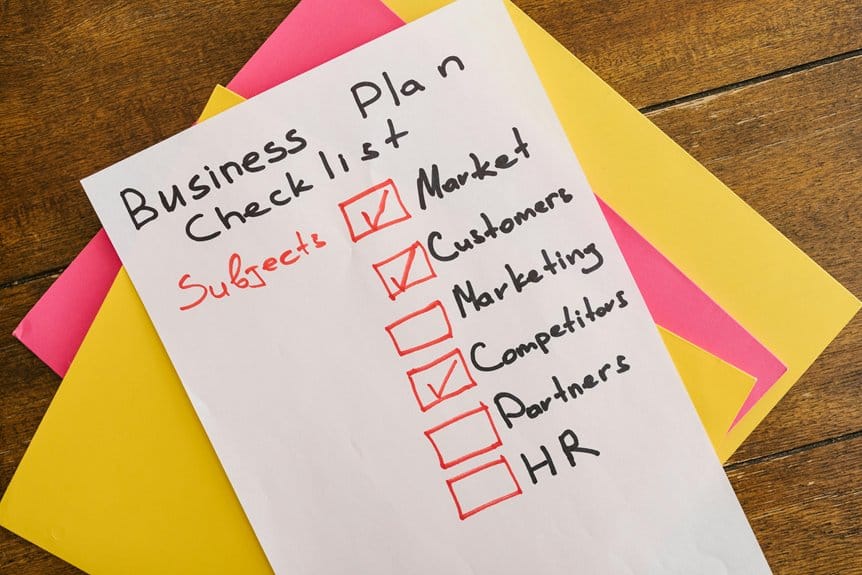
When it comes to structuring service pages for maximum SEO impact, understanding your audience is essential. You need to identify what they’re searching for and how your services can meet their needs. By doing this effectively, you can create content that resonates. But that’s just the beginning. There are several key strategies you’ll want to implement to truly optimize your service pages and enhance visibility. Let’s explore those next.
Key Takeaways
- Conduct thorough keyword research to identify target keywords that align with audience search intent and optimize service page content accordingly.
- Create compelling headlines that incorporate relevant keywords and highlight service benefits to capture visitor attention and improve searchability.
- Use clear and concise descriptions that emphasize how services meet audience needs while avoiding jargon for better understanding.
- Incorporate visual elements like images and videos to enhance engagement, ensuring they are optimized for SEO and mobile-friendly.
- Include strong calls-to-action throughout the service pages to guide visitors towards desired actions and improve conversion rates.
Understand Your Target Audience
How well do you really know your target audience? Understanding their needs, preferences, and pain points is essential for creating effective service pages. Start by considering who they’re and what they’re looking for. Are they seeking safety, reliability, or expertise? When you grasp these aspects, you can tailor your content to address their specific concerns.
Next, think about the language they use. Do they prefer professional jargon, or do they want straightforward, approachable terms? This insight helps in crafting messages that resonate.
Conduct Keyword Research
To effectively structure your service pages, you need to conduct keyword research.
Start by identifying target keywords that resonate with your audience and reflect their search intent.
Then, analyze competitor strategies to uncover valuable insights that can inform your own approach.
Identify Target Keywords
While you may have a general idea of the services you offer, identifying target keywords through thorough keyword research is essential for optimizing your service pages. Start by using tools like Google Keyword Planner or Ahrefs to discover relevant keywords that potential customers are searching for.
Focus on terms that reflect safety and reliability, as these resonate with your audience’s needs. Look for long-tail keywords that are specific to your services, which can drive more targeted traffic.
Don’t forget to analyze search volume and competition levels; you want to find keywords that strike a balance between popularity and achievability.
Once you’ve gathered your keywords, you’ll be ready to create content that addresses your audience’s concerns and builds trust.
Analyze Competitor Strategies
Analyzing your competitors’ strategies can provide valuable insights into effective keyword usage and content optimization. Start by identifying the top competitors in your niche. Use tools like SEMrush or Ahrefs to examine their keyword rankings and discover which terms drive traffic to their sites.
Pay attention to the keywords they target on their service pages, as these can highlight gaps in your own strategy. Look at their content structure and how they incorporate keywords naturally. This can guide you in crafting your own service pages.
Create Compelling Headlines
Creating compelling headlines is essential, as they serve as the first impression for your service pages. A strong headline not only grabs attention but also reassures visitors that they’re in the right place.
Here are four tips to help you craft effective headlines:
- Use Clear Language: Avoid jargon; make sure your message is easy to understand.
- Highlight Benefits: Focus on what your service offers to your audience’s safety and peace of mind.
- Incorporate Keywords: Use relevant keywords to improve searchability without compromising clarity.
- Create a Sense of Urgency: Encourage immediate action by suggesting limited-time offers or availability.
Use Clear and Concise Descriptions
Compelling headlines set the stage, but clear and concise descriptions keep your visitors engaged. To foster trust and safety, you need to deliver straightforward information that highlights your services effectively.
Use simple language and avoid jargon that might confuse your audience. Break down complex ideas into digestible sentences, and focus on what matters most to your customers.
When describing your services, emphasize their benefits and how they address your visitors’ needs. Keep your paragraphs short and to the point, making it easy for readers to scan your page.
Incorporate Visual Elements
To make your service pages more engaging, you should incorporate relevant images and optimize your video content.
Visual elements not only break up text but also enhance understanding and retention for your visitors.
Use Relevant Images
While incorporating relevant images on your service pages may seem like a minor detail, it can greatly enhance your SEO efforts. High-quality visuals not only grab attention but also build trust with your audience.
Here are four key reasons to use relevant images:
- Improved Engagement: Images make your content more appealing, keeping visitors on your page longer.
- Enhanced Understanding: Visuals can clarify complex services, helping users grasp your offerings quickly.
- SEO Benefits: Optimized images can boost your rankings in search engine results.
- Brand Representation: Relevant images convey your brand’s message, reinforcing your identity.
Optimize Video Content
Incorporating video content on your service pages can markedly enhance user experience and engagement, especially when you optimize it effectively.
Start by ensuring your videos are relevant to your services and resonate with your audience’s needs. Use clear, concise language in your videos to convey your message; this builds trust and assures potential clients of your professionalism.
Additionally, include captions to cater to hearing-impaired viewers and to improve SEO. Make sure your videos load quickly and are mobile-friendly, as slow-loading content can frustrate users and drive them away.
Finally, consider adding a call-to-action at the end of your videos to guide viewers to the next steps, creating a seamless path toward conversion.
Optimize for Mobile Devices
As mobile devices continue to dominate internet usage, optimizing your service pages for these platforms becomes essential for engaging visitors effectively.
A seamless mobile experience not only enhances user satisfaction but also boosts your search engine rankings.
Here are four key strategies to take into account:
- Responsive Design: Make sure your site adjusts to various screen sizes for easy navigation and readability.
- Fast Loading Times: Optimize images and scripts to minimize load times, keeping potential clients engaged.
- Clear Calls-to-Action: Use prominent buttons that are easy to tap, guiding users toward the next steps.
- Readable Fonts: Choose font sizes and styles that are legible on smaller screens, enhancing user comfort.
Implement Internal and External Linking
To improve your service pages’ SEO, you should implement both internal and external linking strategies. Internal links not only help users navigate your site more easily, but they also distribute page authority throughout your content, enhancing the overall ranking potential. Additionally, incorporating sections like FAQs on your service pages can further engage visitors and improve dwell time, resulting in significant seo benefits of internal faqs. By addressing common questions directly on your pages, you increase the chances of appearing in rich snippets and answering user queries effectively.
Start by linking to relevant pages within your website. This helps search engines understand your site’s structure and keeps users engaged with your content. Make sure these internal links are natural and lead to valuable information, enhancing your visitors’ experience.
Next, incorporate external links to authoritative sites. These links can boost your credibility and provide additional resources for your audience.
Just be cautious—only link to reputable and secure sites to maintain trust.
Monitor and Update for Continuous Improvement
After establishing effective linking strategies, the next step involves keeping your service pages fresh and relevant.
Regularly monitoring and updating your content not only boosts SEO but also guarantees your audience that you prioritize their safety and needs.
Here’s how to do it effectively:
- Review Analytics: Check traffic and engagement metrics to identify what’s working.
- Update Content: Refresh outdated information and add new insights regularly.
- Check for Broken Links: Make sure all links direct users safely to the intended pages.
- Solicit Feedback: Encourage customer reviews and adapt your services based on their needs.
Frequently Asked Questions
How Often Should I Update My Service Pages for SEO?
You should update your service pages regularly, ideally every few months. Keeping content fresh not only engages your audience but also signals to search engines that your site is active and relevant.
What Tools Can I Use for Keyword Research?
For keyword research, you can use tools like Google Keyword Planner, SEMrush, or Ahrefs. They’ll help you identify relevant keywords, track search volume, and understand competition, ensuring your content remains safe and effective for your audience.
How Do I Measure the Effectiveness of My Service Pages?
To measure your service pages’ effectiveness, track metrics like organic traffic, conversion rates, and user engagement. Use tools like Google Analytics and heatmaps to analyze performance, ensuring your efforts align with your safety-focused audience’s needs.
Should I Include Testimonials on My Service Pages?
Yes, you should definitely include testimonials on your service pages. They build trust and credibility, reassuring potential customers that others have had positive experiences. This can considerably influence their decision to choose your services.
What Is the Ideal Length for Service Page Content?
The ideal length for service page content is typically between 500 to 1,500 words. This range allows you to provide valuable information while keeping visitors engaged and ensuring they feel safe and informed throughout.
In Closing
To sum up, structuring your service pages for maximum SEO impact is key to attracting the right audience. By understanding your target market and utilizing effective keyword research, compelling headlines, and clear descriptions, you’ll enhance user engagement. Don’t forget the importance of visual elements and mobile optimization. Keep your content fresh with regular updates and strategic linking. With these steps, you’ll not only boost your visibility but also drive conversions, ensuring your services stand out in a competitive landscape.